0.050.09975 0

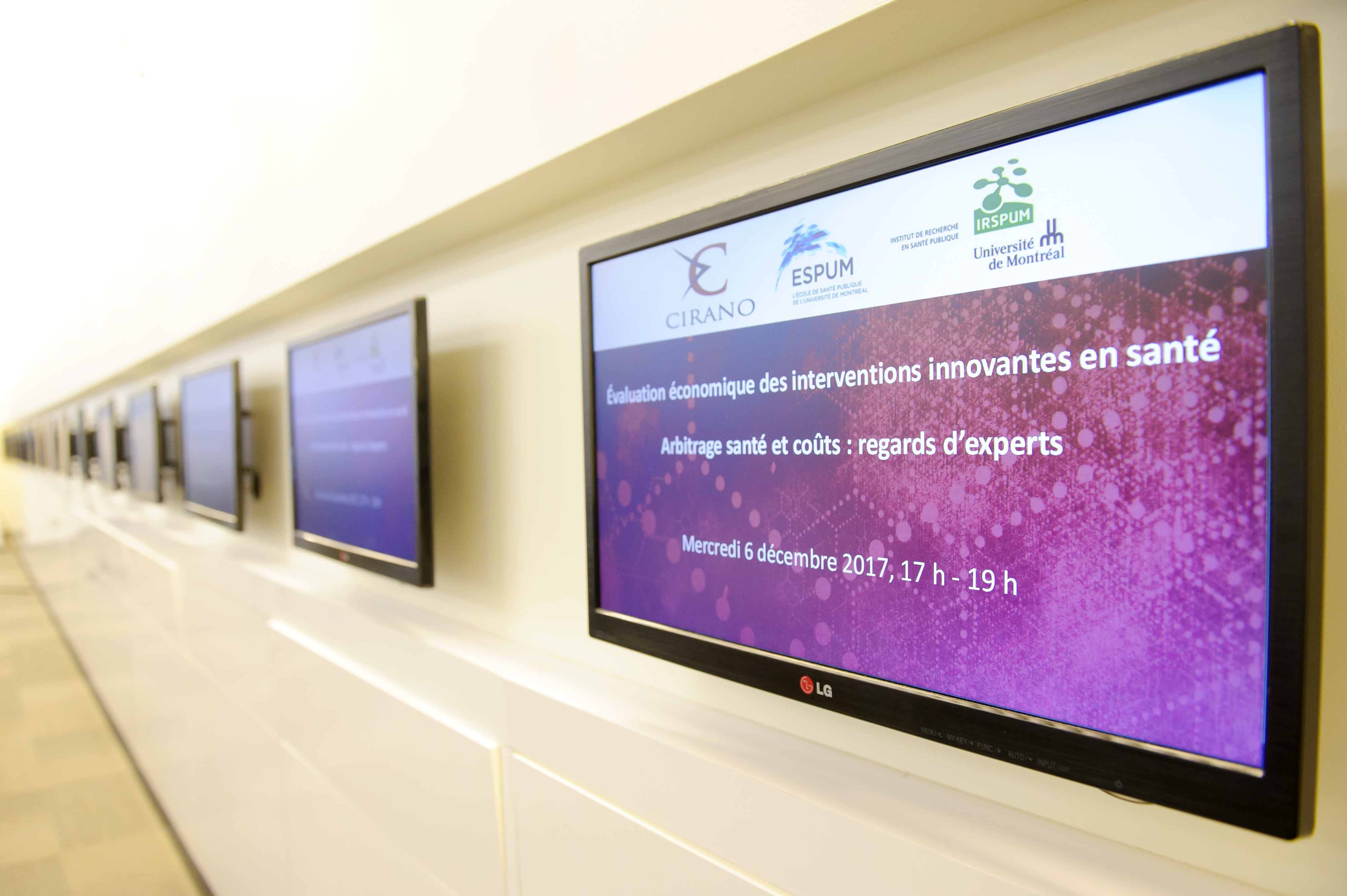
Conference: Economic evaluation of innovative health interventions

CIRANO

Wednesday 6 Dec 2017
From 5PM To 7PM

Event organized in collaboration with




Experts views on arbitration between health and costs


The existence of constraints on budgetary resources has led public authorities to rely upon specific tools to optimize the set of treatment and health services available to any insured individuals. To meet this objective of efficient management under this budget constraint, it is required to consider the cost along with the expected benefits of any new investment. The economic evaluation of new health interventions comparing the effectiveness and cost of innovative interventions with conventional interventions is key to comply with the aim of an efficient allocation of resources. In particular, the concept of QALY, which jointly measures the gained life years and the quality of life of those additional life years has become the preferred tool for the comparison between new treatments across different pathologies. The use of QALYs leads the researcher to undertake a cost-utility analysis.

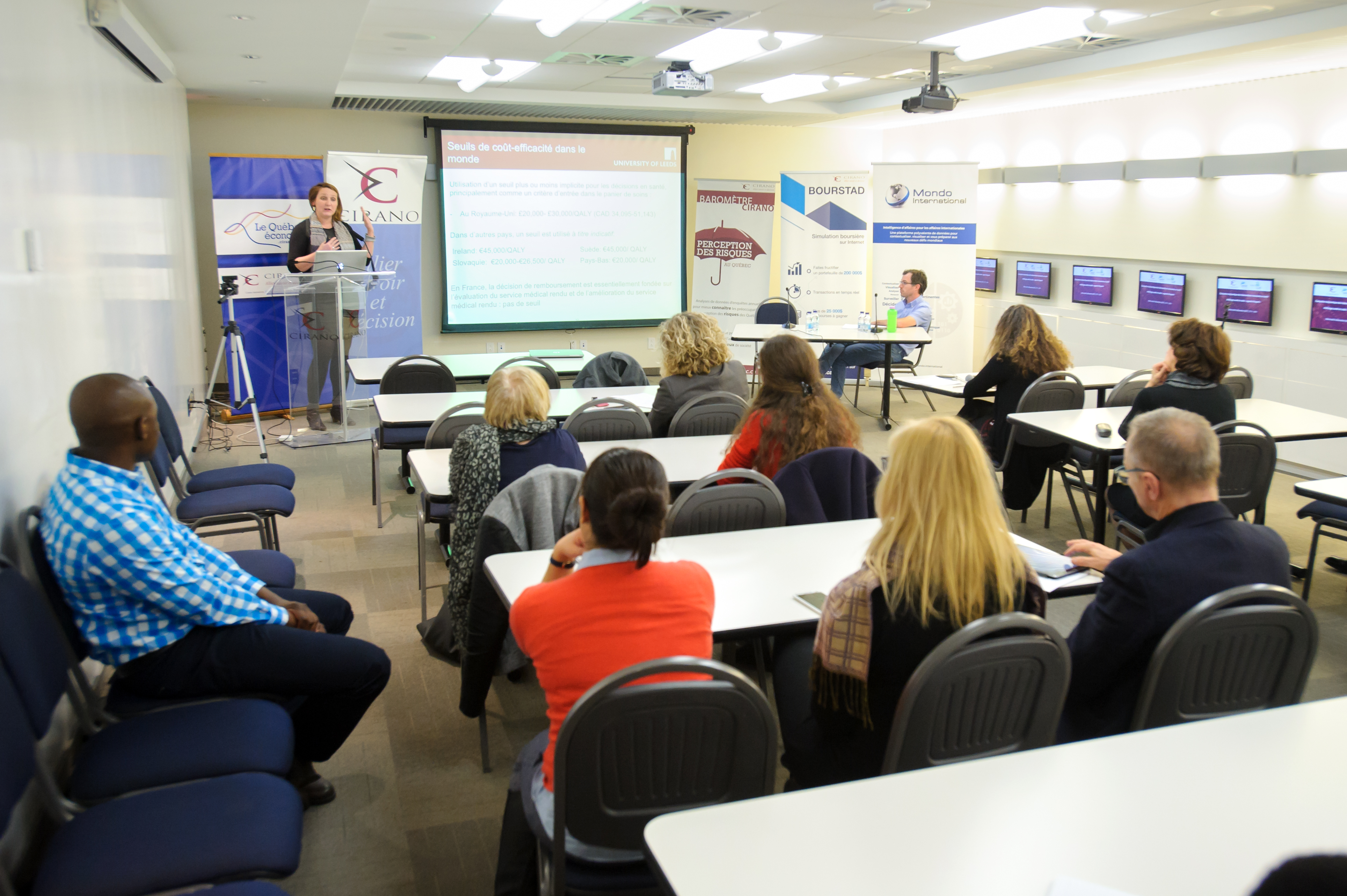
This panel brought together two experts in health economics, who will discuss the issues and challenges associated with cost-utility studies in health by illustrating them from British, French and Quebec studies.


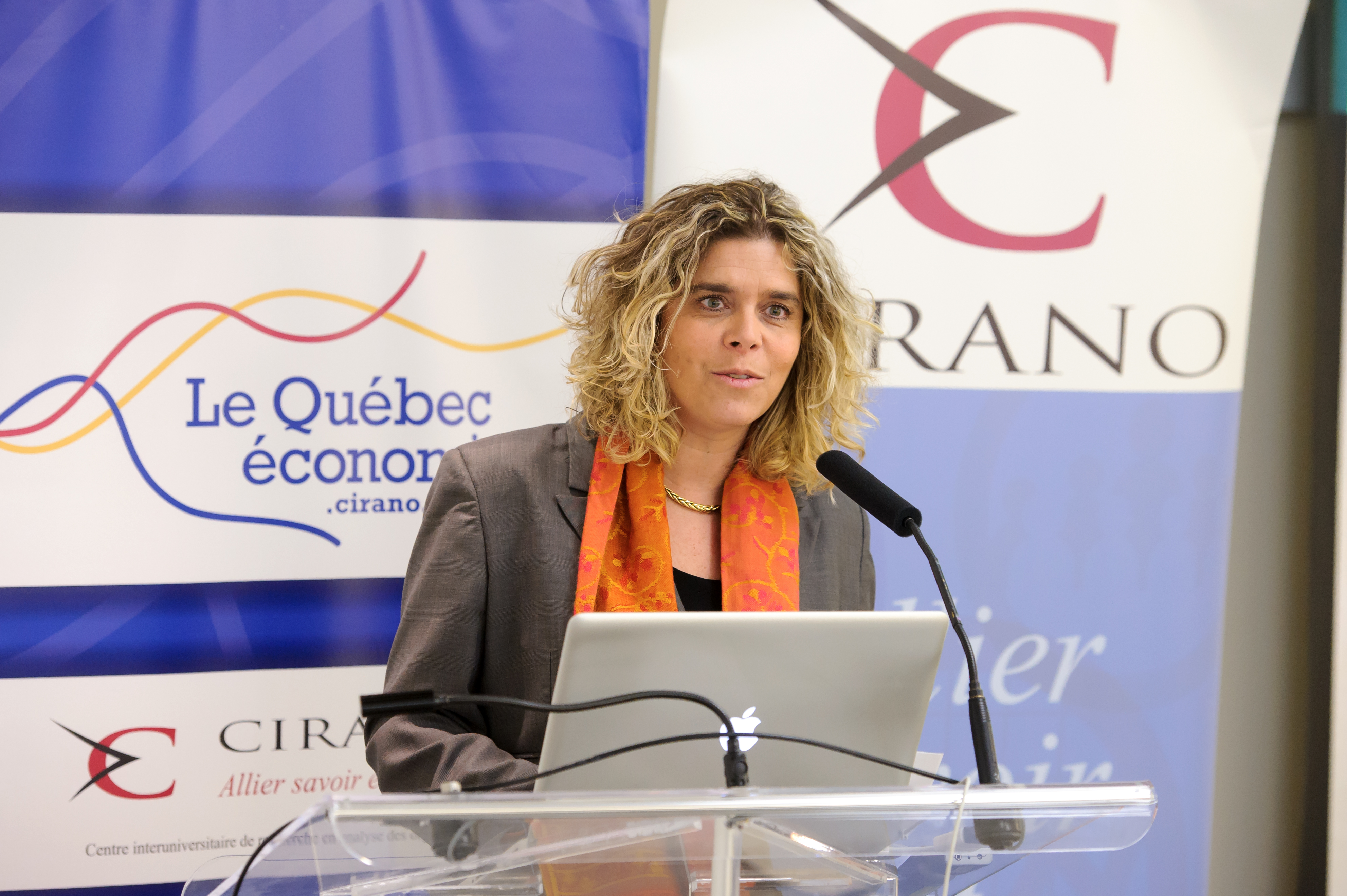
Roxane Borgès Da Silva

A CIRANO Researcher and Fellow since 2015, Vice-President Research Funding, responsible of the CIRANO Pole on the Efficiency of Health Services and Policies and Main Researcher of the theme Health, Roxane Borgès Da Silva is Associate Professor in the Department of Management, Evaluation and Health Policy at the École de santé publique de l'Université de Montréal.

Holding a Ph.D. in Health Administration from the Université de Montréal, her research interests focus on the analysis and evaluation of health service organization and the development of performance and quality indicators. She is particularly interested in the evolution of the organization of front-line services and its effects on the use of population health services. She is also interested in the effects of health policies related to the organization of health services, professional practices and collaborations.

[ - ]
[ + ]

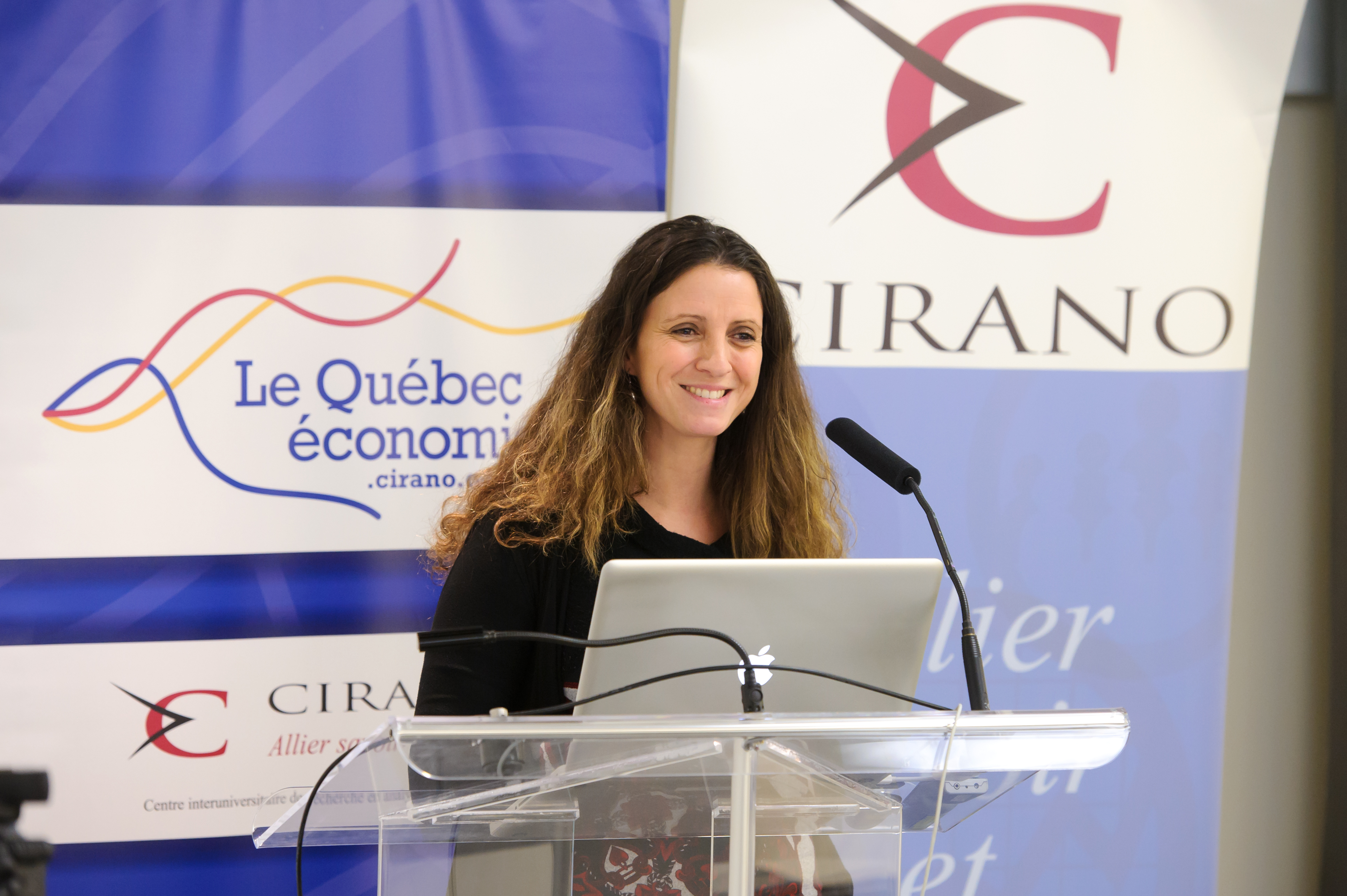
Nathalie De Marcellis-Warin

Nathalie de Marcellis-Warin joined CIRANO in 2000 as a postdoctoral researcher and was appointed President and CEO in 2016, after serving as Vice-President from 2008 to 2016. Since 2011, she has led the CIRANO Barometer project on risk perception in Quebec, which annually collects data on Quebecers’ concerns regarding 47 major societal issues. She is also Head of the CIRANO Research Pole on the Socioeconomic Impacts of Digital Intelligence and Principal Investigator of the Innovation and Digital Transformation research theme.

She is a Full Professor in the Department of Mathematics and Industrial Engineering at Polytechnique Montréal, where she also serves as Academic Director of PolyFinances. In addition, she is a Visiting Scientist at the Harvard T.H. Chan School of Public Health and an Associate Researcher at the Institute for Data Valorization (IVADO).

She holds a PhD in Management Science (specializing in risk management and insurance) from the École normale supérieure de Cachan. Her research focuses on risk management and decision-making in contexts of risk and uncertainty, as well as the design and evaluation of public policies. Her work combines economic analysis, cost-benefit analysis, survey data analysis, and more recently, large-scale unstructured data analytics.

In 2008, she founded the RISQH network, a knowledge-sharing and awareness network dedicated to risk management, patient safety, and quality of care in healthcare institutions. She contributed to the development of the Montreal Declaration for a Responsible Development of Artificial Intelligence.

She serves as Scientific Director of the Measurement Tools, Monitoring and Surveys Division at the International Observatory on the Societal Impacts of AI and Digital Technologies (OBVIA). She is also co-founder of the International Francophone Network on Scientific Advice (RFICS).

At CIRANO, she leads and contributes to several large-scale research initiatives, notably the creation of an economic digital twin of the St. Lawrence–Great Lakes region (GVCdtLab), developed in collaboration with the federal government.

She has published numerous scientific articles, several books, and more than 40 reports for government and other organizations. She has delivered over one hundred conferences and is regularly invited to speak in the media.

[ - ]
[ + ]

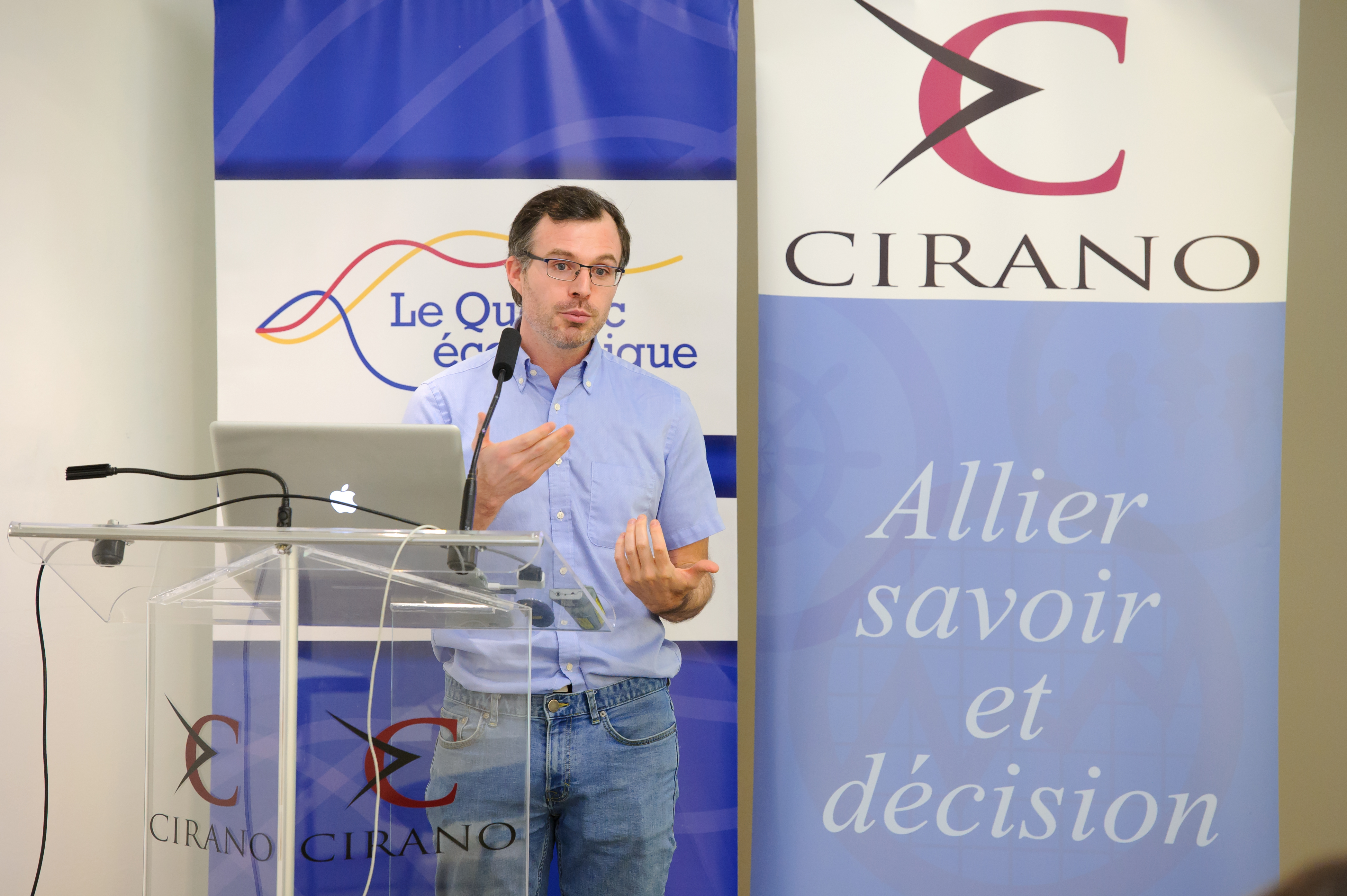
Thomas G. Poder

A CIRANO Researcher since 2019, Thomas G. Poder is Associate Professor in the Department of Health Management, Evaluation and Policy at the École de santé publique de l'Université de Montréal, a regular researcher at the Research Centre of the Institut universitaire de santé mentale de Montréal, and co-responsible for the Ecohealth group of the Quebec SRAP Support Unit.

Holding a Ph.D. in Economics from Clermont Auvergne University, his research interests are focused on measuring quality-adjusted life years (QALYs). He also specializes in Health Technology Assessment (HTA) and Health Preference Research (HPR). 

[ - ]
[ + ]

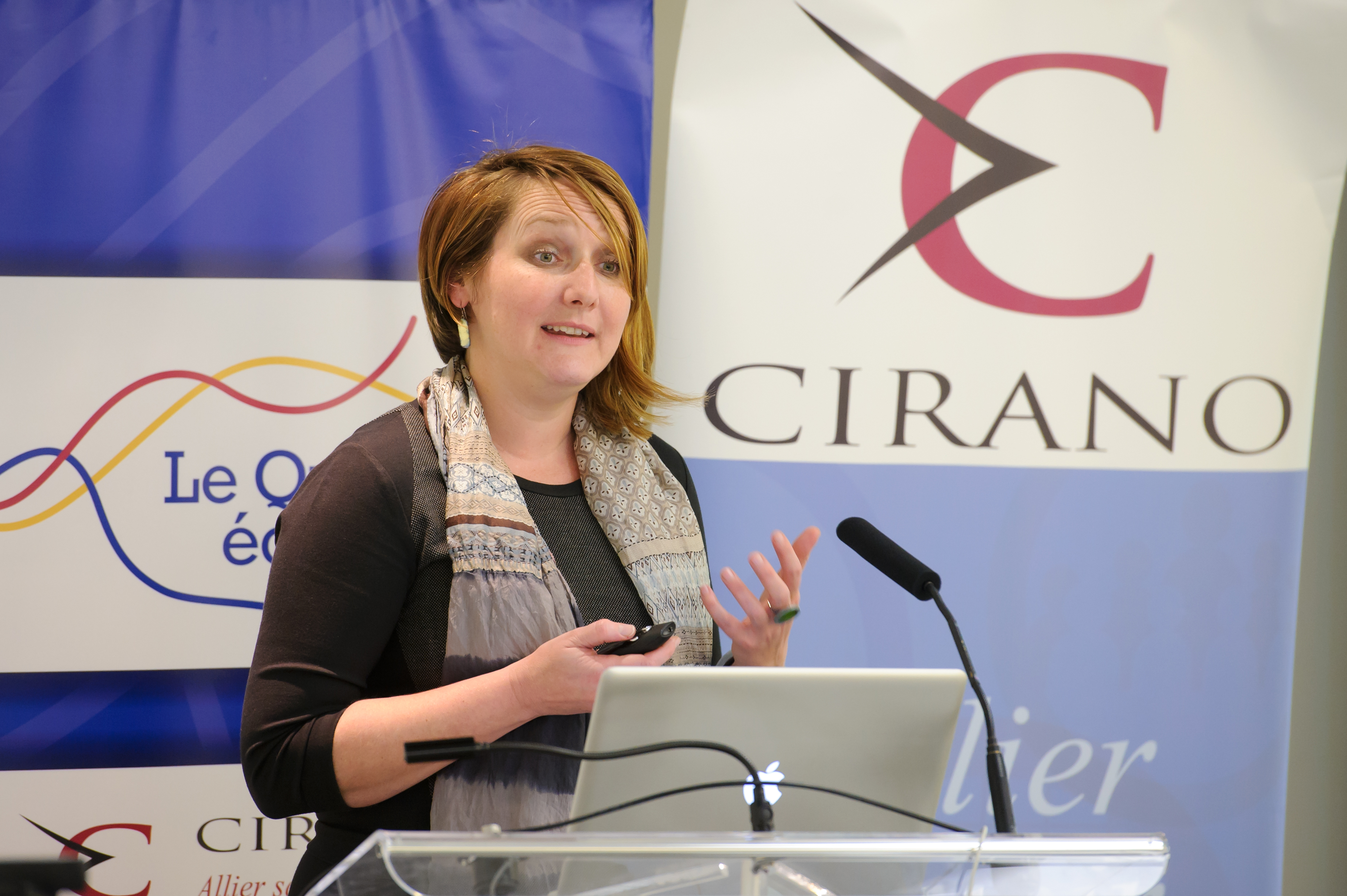
Sandy Tubeuf

Sandy Tubeuf is Associate Professor in the Academic Unit of Health Economics at the University of Leeds.

[ - ]
[ + ]

Program

17:00 - 17:10
Welcome and Introduction
17:10 - 17:15
Presentation of the speakers
17:15 - 17:30
Threshold of cost-effectiveness of health technologies: the case of the English NICE
Sandy Tubeuf
17:30 - 17:45
The cost per QALY ratio: criteria like any other?
17:45 - 18:05
Discussion and questions
18:05 - 18:15
Closing remarks
18:15 - 19:00
Cocktail

Location


1130 Rue Sherbrooke O #1400, Montréal, QC H3A 2M8, Canada